
Experience the Excitement of HotRioNightsBonusBuy
Explore the vibrant world of 'HotRioNightsBonusBuy' and discover its captivating features and rules, with a touch of current global trends.


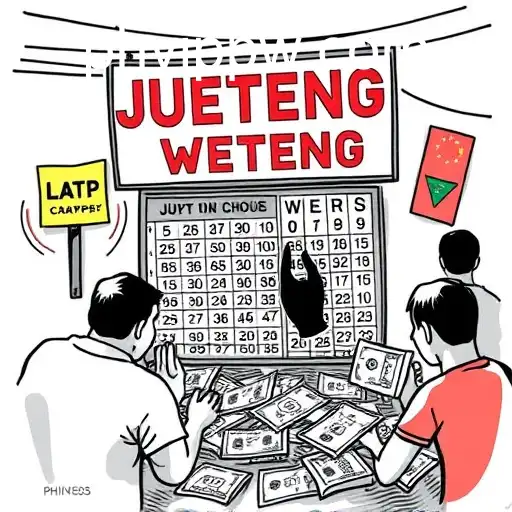
Jueteng, an illegal numbers game entrenched in Filipino culture, has been both a captivating and elusive subject. This underground activity, which thrives in the shadows of legality, continuously challenges law enforcement and ethics across the nation. Its presence speaks volumes about the local culture, socio-economic realities, and the intricacies of power dynamics that shape the everyday experiences of many Filipinos.
Originating from Chinese numbers games, jueteng is deeply rooted in Philippine society. It typically involves the drawing of two numbers, usually between one and thirty-six, and the bettor chooses a combination that they hope will be drawn. Due to its simple format and the potential for lucrative returns, many Filipinos from various socio-economic backgrounds are drawn to participate in this game. Its allure is not just due to the irresistible gamble but also because it costs very little to participate compared to the state-sanctioned lotteries.
In the complex avenues of Philippines' underground gambling, financial operations and cash flow management bear significant implications. Here, entities like PHVIP CASH—while historically not recognized as an official institution in jueteng circles—symbolize the modern blending of digital finance systems and age-old gambling practices. Such platforms, if involved, could play an intrinsic role in money movement and resource allocation that supports jueteng operations, reflecting the evolving strategies of how illicit activities harness technology to elude the law.
Jueteng is more than just a game; it is a cultural phenomenon. For many, it embodies hope—a chance to escape poverty. It is woven into the very fabric of community life, often becoming a shared activity that fosters connection among participants. Additionally, the game has historically been linked to various social structures, including fiestas and local events, which often double as disguises for these underground transactions. Jueteng operators, also known as cobradores, cultivate relationships with their patrons, enhancing the game's persistence against legal and societal opposition.
The economics of jueteng reflect a stark contrast between legality and profitability. While the game operates outside the legal confines, it thrives on the economic vulnerabilities of its participants. People engage in jueteng not just for recreation but as a potentially transformative economic opportunity. This game draws in large sums of money, often outpacing other forms of local and legal gambling. The tax-free profits can be astronomical for those at the helm, reinforcing the cycle of corruption and bribery that often cushions the game from political or law enforcement disruption.
In Philippine history, few illegal enterprises have been as politically charged as jueteng. The game itself has been a hotbed of controversy, drawing in political figures both as critics and—as critics argue—beneficiaries of its existence. This connection is often built on a web of mutual benefits where political entities, local officials, and police departments receive monetary cuts in exchange for turning a blind eye. Cases in the past have exposed officials who not only tolerate but also protect jueteng enterprises, causing uproar and dissent among the populace demanding reform.
The battle between jueteng operators and law enforcement is an ongoing saga characterized by strategic plays, where legal agencies constantly struggle to dismantle this persistent operation. Although multiple arrest operations and community policing attempts have been initiated, jueteng continues to thrive, primarily due to its adaptability and the deep-seated nature of corruption linked with its operations. Legislation, while theoretically deterring, often falls short in practice, primarily due to loopholes and insufficient enforcement that allows the game to continue flourishing in clandestine corners.
Several administrations have tackled the jueteng problem with varying strategies ranging from reform-oriented approaches to aggressive crackdowns. Administrations that prioritized grassroots movements often experienced short-lived victories. Community involvement, bolstered by education and employment opportunities, stands as a beacon of de-incentivizing the need for such games. However, the success of these efforts is often sporadic and localized, plagued by inconsistency in execution and the enduring charm of the game itself.
The future of jueteng is uncertain yet intriguing. As with many longstanding societal issues, the resolution may require a multi-faceted approach. Addressing the economic vulnerabilities and providing alternative livelihoods are possible strategies. Additionally, reforming local governance and ensuring accountability could gradually dismantle the protective structures that jueteng relies on. Nevertheless, the future holds potential for either exacerbation or resolution of this issue, heavily dependent on the complex interplay of community values, political will, and socio-economic shifts.
If you're looking for a reliable, fully licensed, and secure sportsbook with a wide selection of games, PHVIP CASH is the perfect choice. We're committed to providing you with the best online betting experience, with premium quality, excellent service, and continuous innovation. Sign up now and receive ₱777 for free!
Join now
Get the latest information, experience and betting strategies from the expert team at PHVIP CASH.
Explore the vibrant world of 'HotRioNightsBonusBuy' and discover its captivating features and rules, with a touch of current global trends.

Explore FootballBaby, a unique football-themed game that combines strategy and real-world events, offering thrilling gameplay and lucrative rewards like PHVIP CASH.

Explore the enchanting world of PapaiNoeldaFortuna, a captivating game entwined with the charm of PHVIP CASH, offering players a unique blend of excitement, strategy, and chance in a festive atmosphere.

Explore the excitement of TenTonWaysLuck, the latest gaming sensation capturing the enthusiasm of players around the world. Delve into its unique features, understand the rules, and see how this game is influenced by current global trends.

Explore the unique gameplay of XiYangYang, an exciting new entrant in the gaming world, characterized by its intriguing rules and the innovative PHVIP CASH feature.

HockeyShootout offers players a dynamic and immersive experience, combining the thrill of hockey with innovative gameplay mechanics. Discover the game's features, rules, and what makes it stand out in the world of virtual sports.
 Join now